Rethinking Airspace Boundaries: Operationalizing Flow-Centric ATM Moving from a sector-centric to a flow-centric view of ATM can provide measurable operational benefits, especially during peak times.
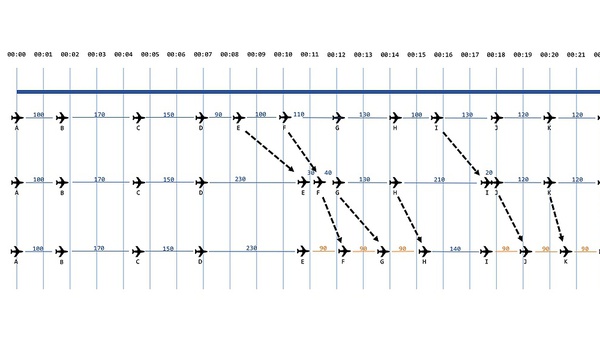
Implications of runway direction changes This paper presents a runway-aware approach for Singapore Changi Airport that adjusts aircraft trajectories based on dynamic runway capacity, reducing arrival overloads by 81% through modest upstream time shifts without aggressive tactical intervention.
Delivery route optimization for network efficiency This paper presents a two-stage optimization method for urban drone route networks that balances delivery efficiency, airspace deconfliction, and noise exposure, validated through a real-world medical delivery case study in Paris.
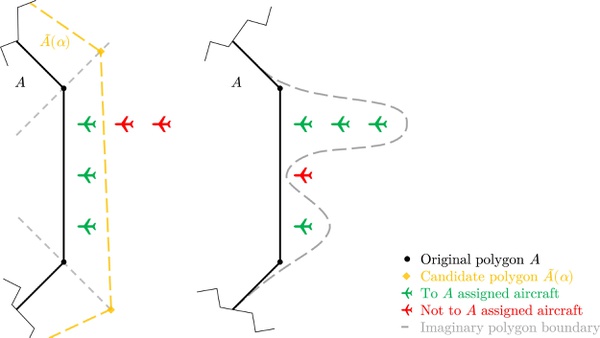
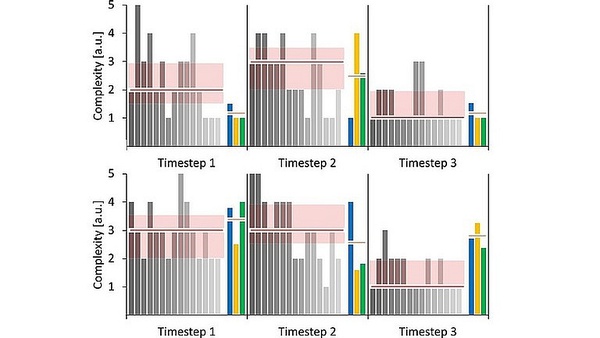
Mitigate air traffic complexity in moving sectors Moving sectors enable flow-centric management with enhanced airspace capacity, as controller workload is dynamically allocated according to traffic conditions.
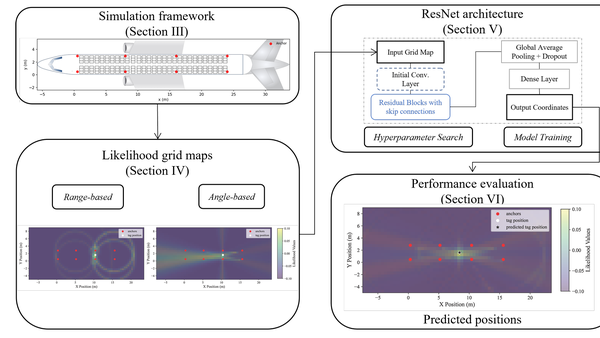
Range-angle likelihood maps for indoor positioning We develop a ResNet-based deep learning approach for indoor aircraft cabin positioning, achieving centimeter-level localization accuracy by transforming range and angle measurements into likelihood grid maps and optimizing model hyperparameters.
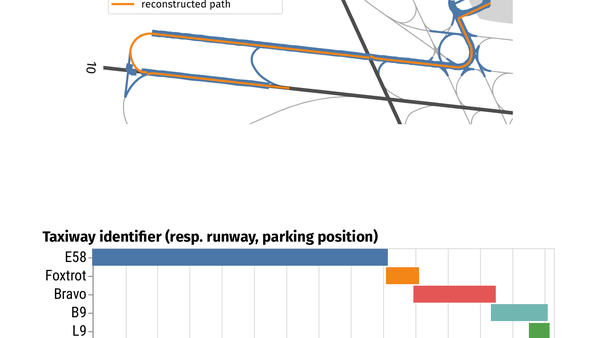
Assessing airport surface traffic performance This study explores the use of crowdsourced ADS-B trajectories and OpenStreetMap infrastructure to analyze airport surface operations, adapting existing methodologies to derive key performance indicators at Zurich Airport.
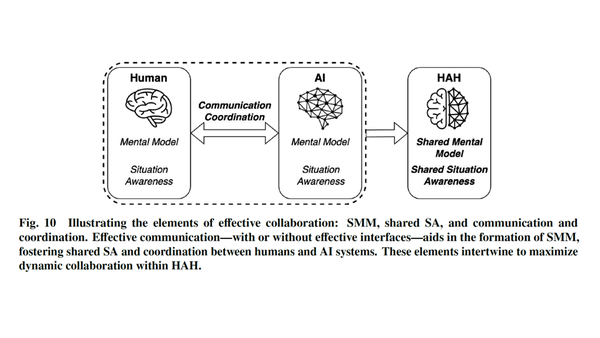
Human-AI hybrids in safety-critical systems This paper provides an extensive review of the emerging domain of Human-AI Hybrid in Air Traffic Management, defining and examining the fundamental pillars, including collaboration, adaptation, and trust.
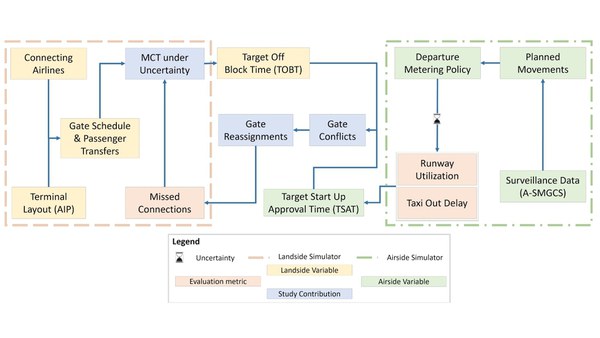
Predicting flight arrival times with deep learning Air transportation is frequently disrupted by factors such as weather and air traffic control. These disruptions challenge airport operations management, particularly in gate assignments, where potential conflicts and adjustments are often required.
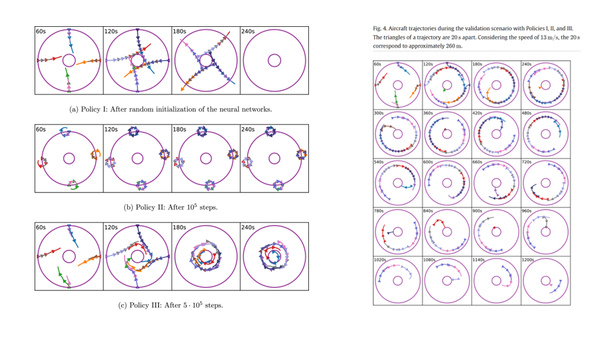
Self-organized free-flight arrival for urban air mobility Urban air mobility is an innovative mode of transportation in which electric vertical takeoff and landing (eVTOL) vehicles operate between nodes called vertiports. We outline a self-organized vertiport arrival system based on deep reinforcement learning.
Complexity metrics for moving sectors This study establishes a foundation for determining the complexity of moving sectors, a key element of efficient flow-centric air traffic flow management. We apply complexity metrics for moving sectors derived from simulated air traffic of the Singapore FIR.
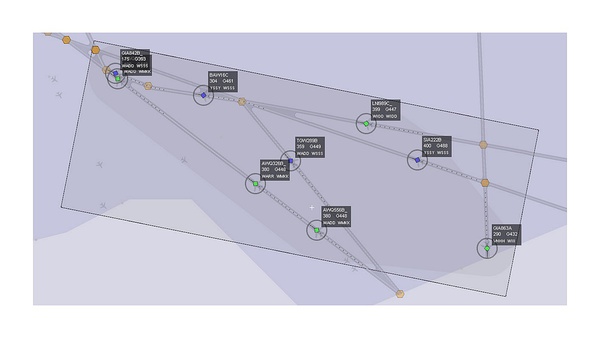
investigating moving sectors and complexity metrics in Japanese airspace This study applies three developed complexity metrics to the Japanese sector-based airspace, which serves as a benchmark for the evaluation of moving sectors. Our results indicate that moving sectors could reduce peak loads by aggregating homogeneous traffic flows.
High-fidelity digital twin for ground operations Delays deriving from airport ground operations at the aircraft stand possess the capacity to propagate and consequently escalate across the intricate air traffic network. This knock-on effect often exerts a significant detrimental influence on downstream flights and airports.
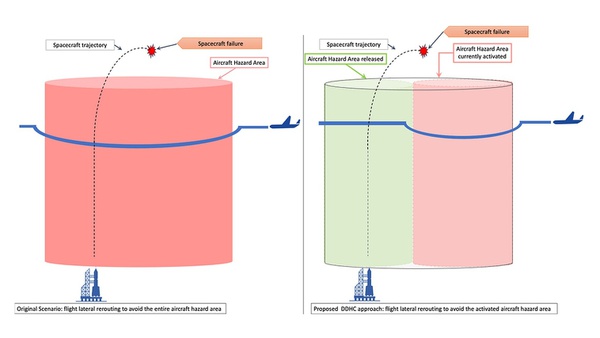
Debris hazard corridor for air/ space traffic management The growing use of spacecraft and drones is straining traditional airspace management and requiring new dynamic strategies, such as DDHC, to balance safety and minimize air traffic disruptions.
Positioning systems in connected aircraft cabins This paper delves into the rising use of location-aware radio communication systems to streamline operational processes. We propose a hybrid deterministic and stochastic simulation approach, incorporating model-based ray-tracing and empirical residual simulation.
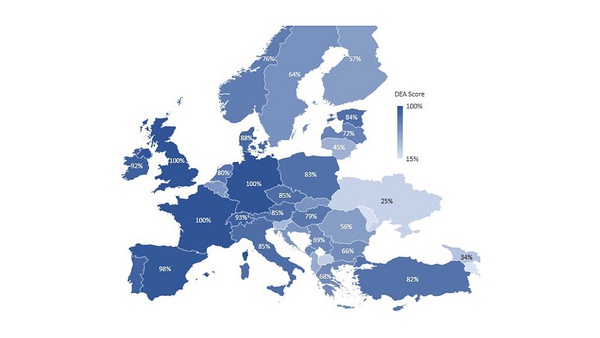
efficiency assessment in European ATM We used different types of Data Envelopment Analysis to evaluate and compare the performance of European ANSPs and to develop and suggest an appropriate benchmarking approach.
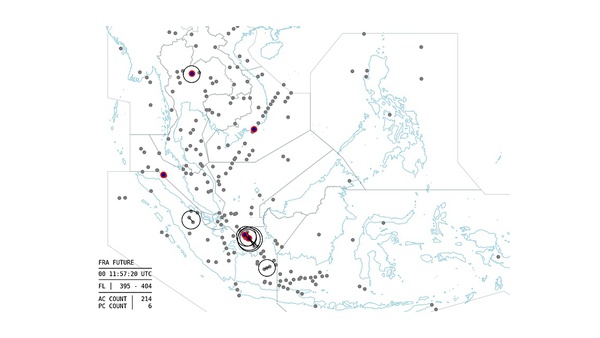
time-varying queuing network for ASEAN free-route airspace A time-varying queuing network was modeled and applied to ASEAN free-route airspace. The model shows a 45% reduction in potential conflicts.
introduction of moving sectors Moving sectors are introduced to improve airspace management by efficiently aligning traffic flows and grouping flights using realistic traffic patterns from the Singapore FIR.
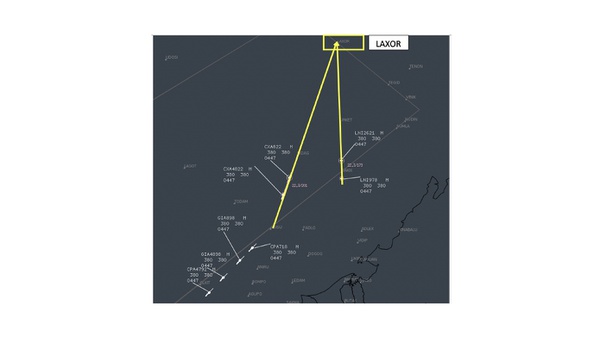
Flow-centric air traffic control Creating traffic flows that minimize congestion (hot spots) and enable flow-centric operations is important for future air traffic control.
Free-route airspace concept in the ASEAN region The benefits and operational feasibility of the Free Route Airspace concept within the ASEAN airspace consisting of 12 Flight Information Regions (FIRs) are evaluated using fast-time simulation.
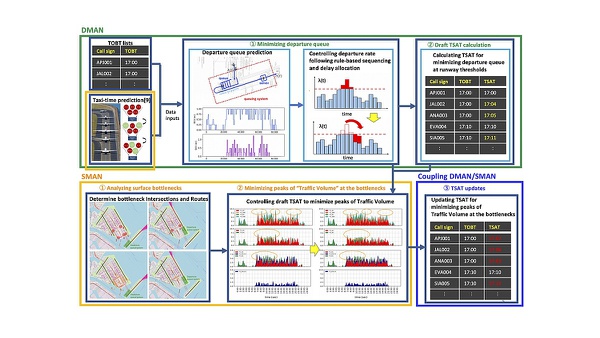
Integrated departure and surface traffic operations The proposed model-based framework for air traffic management optimizes arrival and departure flows, balancing capacity and demand. It includes time-varying queuing network models to reduce surface congestion and runway queuing.
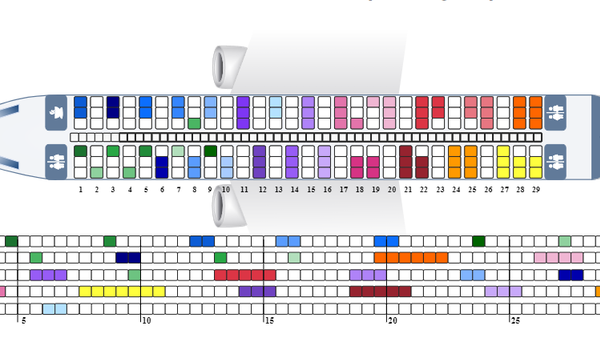
combined optimization–simulation approach for passenger boarding Optimized boarding approach reduces time by 30%, minimizing virus risk compared to standard methods in various occupancy scenarios.
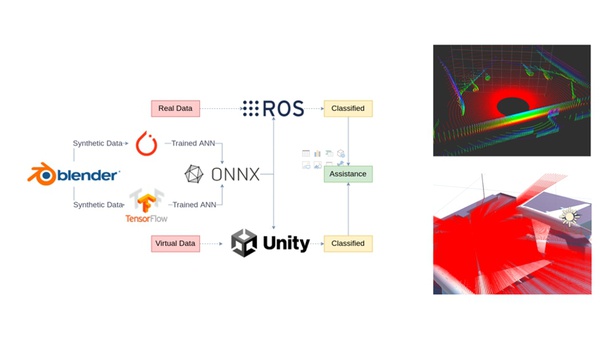
synthetic sensors for automated airport operations A prototype of a synthetic LiDAR sensor in a virtual environment of Singapore Changi Airport provides data to train machine learning models.
COVID-19 passenger operations The implementation of optimized passenger group sequencing under COVID-19 conditions has the potential to reduce process times by up to 59% and transmission risk by up to 85%.
integrated airport management Integrated ground/airside airport management optimizes connecting flights for passengers.