Physiological and psychological health effects of a mobile VR-based mindfulness breathing meditation with integrated biofeedback: a replication study
29 September 2025
Abstract:
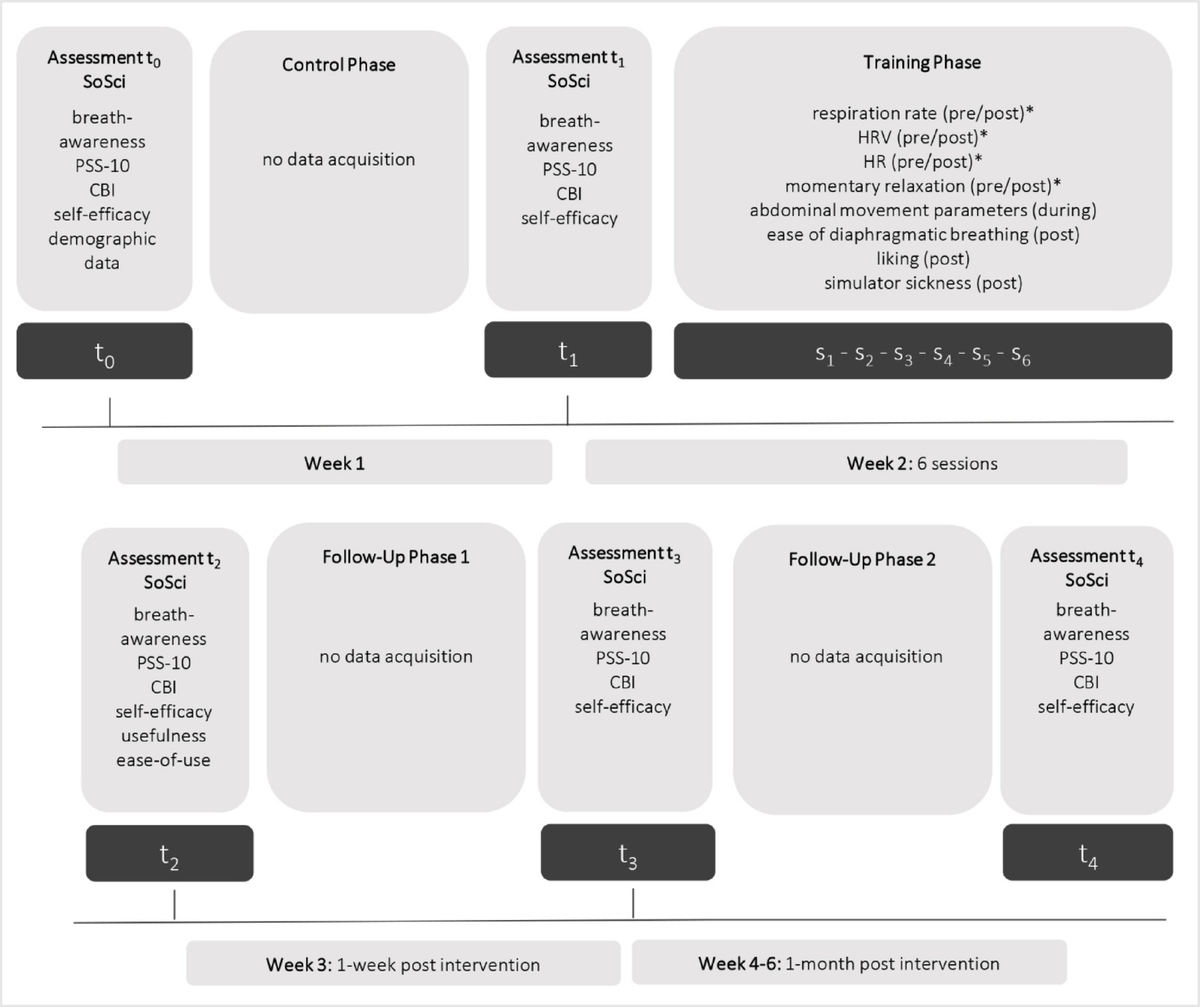
Mindfulness, characterized by a non-judgmental present-moment awareness, has been empirically associated with numerous psychological and physiological health benefits. Advances in technology, particularly immersive virtual reality (VR) using head-mounted displays, provide interactive and engaging environments that enhance mindfulness practices. This study builds on a primary investigation to explore the integration of a mobile VR-based mindfulness breathing meditation with biofeedback and its effects on physiological and psychological health. This replication study used a within-subject design, with 45 participants (Mage = 22.9 years; 30 men, 15 women) completing six consecutive days of supervised self-guided VR-based training (Msession = 8 min 52 s). Physiological measures such as breathing parameters, heart and respiratory rates and heart rate variability were combined with psychological measures including momentary relaxation, burnout symptoms and relaxation-related self-efficacy. Additional health parameters, objective instruments and measurement points were incorporated into the study design to offer a more comprehensive view of participants’ health status as well as capturing both short-term and medium-term effects. Our study showed positive effects on health concerning diaphragmatic breathing, breathing awareness, heart and respiratory rates, momentary relaxation, burnout symptoms and relaxation-related self-efficacy, with several benefits persisting not only short- but also medium-term (1-week/1-month post-intervention). Moreover, the feasibility of the VR intervention was confirmed through high user satisfaction. This study was able to demonstrate positive health effects of VR-based mindfulness breathing meditation with integrated biofeedback, which emphasizes the importance of replication studies. Future research should focus on different target groups in terms of external validity and use different VR protocols to more accurately define the dose-response relationship.


