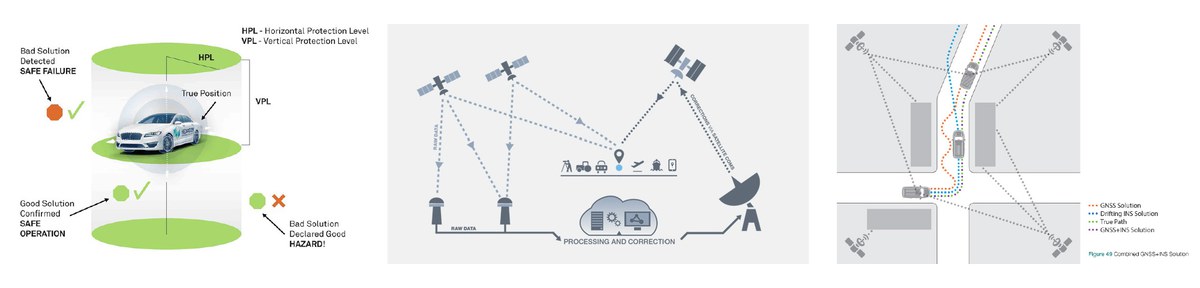
Professor Dr. Roger Förstner (Space Technology) and Professor Dr. Thomas Pany (Satellite Navigation) have acquired funding from the Federal Ministry for Economic Affairs and Energy for the project OPA3L “Optimally Assisted, Highly Automated, Autonomous and Cooperative Vehicle Navigation and Localization.”
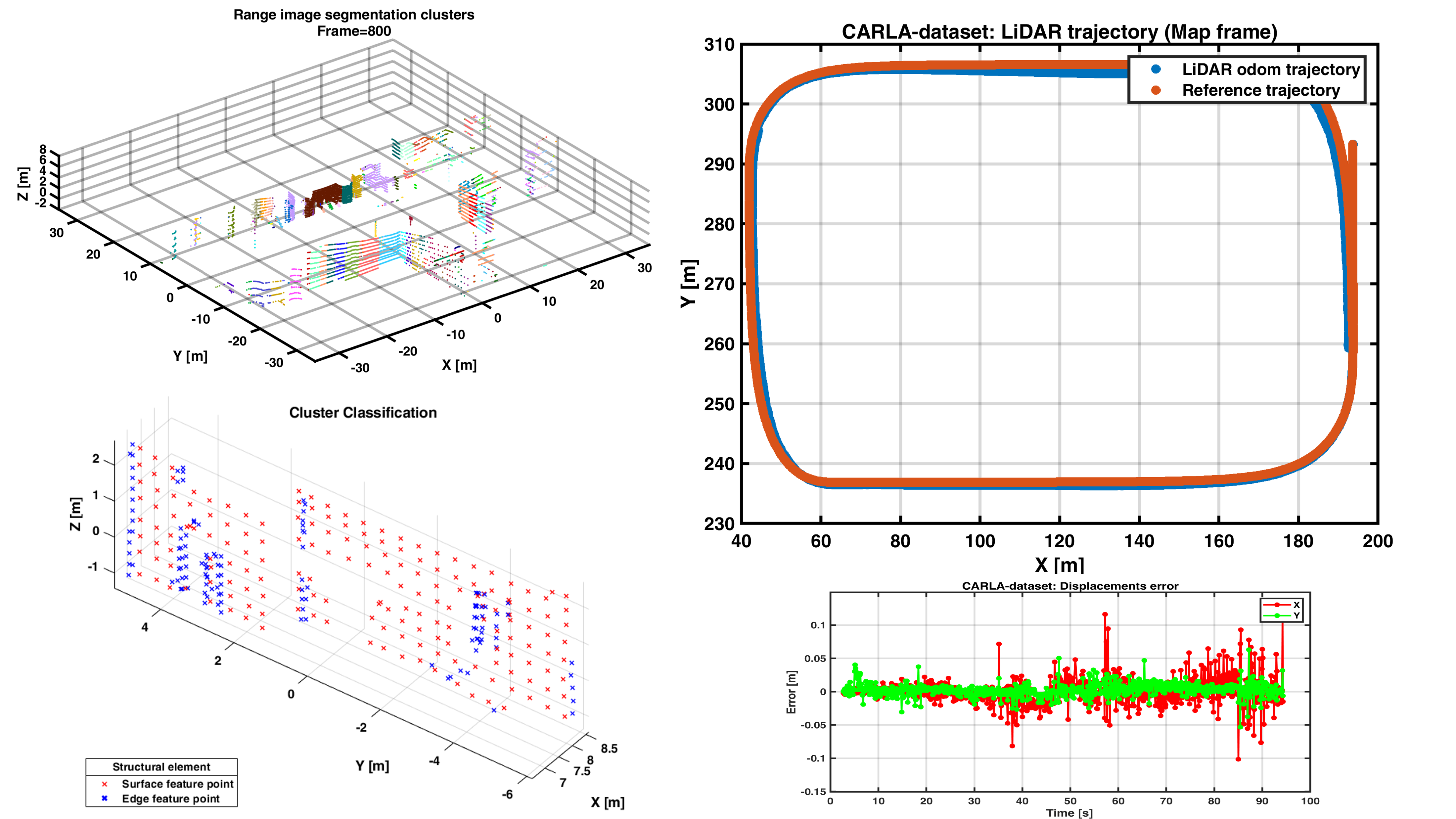
Autonomous driving is one of the most controversial and complex issues of mobility today. One of the core competences of autonomous vehicles is reliable and precise navigation. This is achieved with a variety of sensors that are based on many different measurement principles, so that shortcomings of individual sensors can be compensated by others. The most prominent examples of such sensors include an inertial measurement unit (IMU), which measures acceleration and rotational rates with inertial sensors, light detection and ranging (LiDAR) sensors to create 3D point clouds of the environment with laser scans, and global navigation satellite system (GNSS) receivers, which determine their location on earth through radio signals transmitted from satellites.
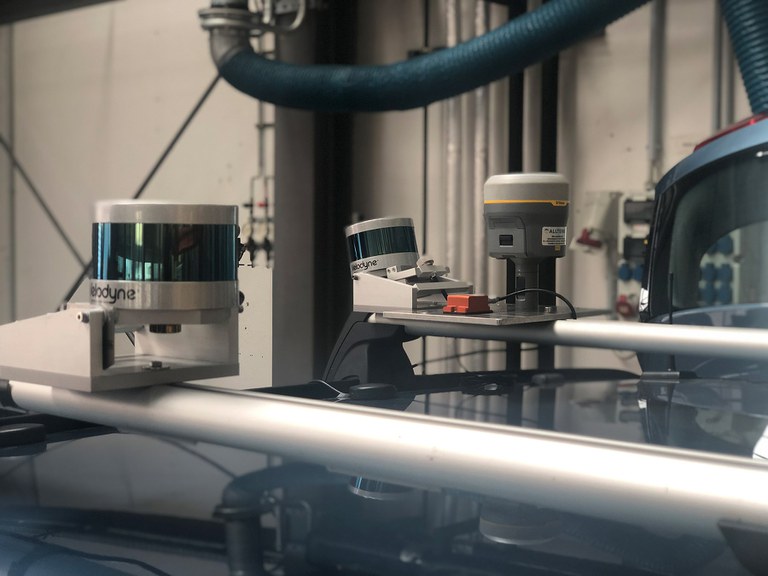
Fig. 1: Navigation sensor system on the roof of the test vehicle of OPA3L: LiDAR, GNSS receiver and inertial measurement unit, IMU (© Universität der Bundeswehr München)
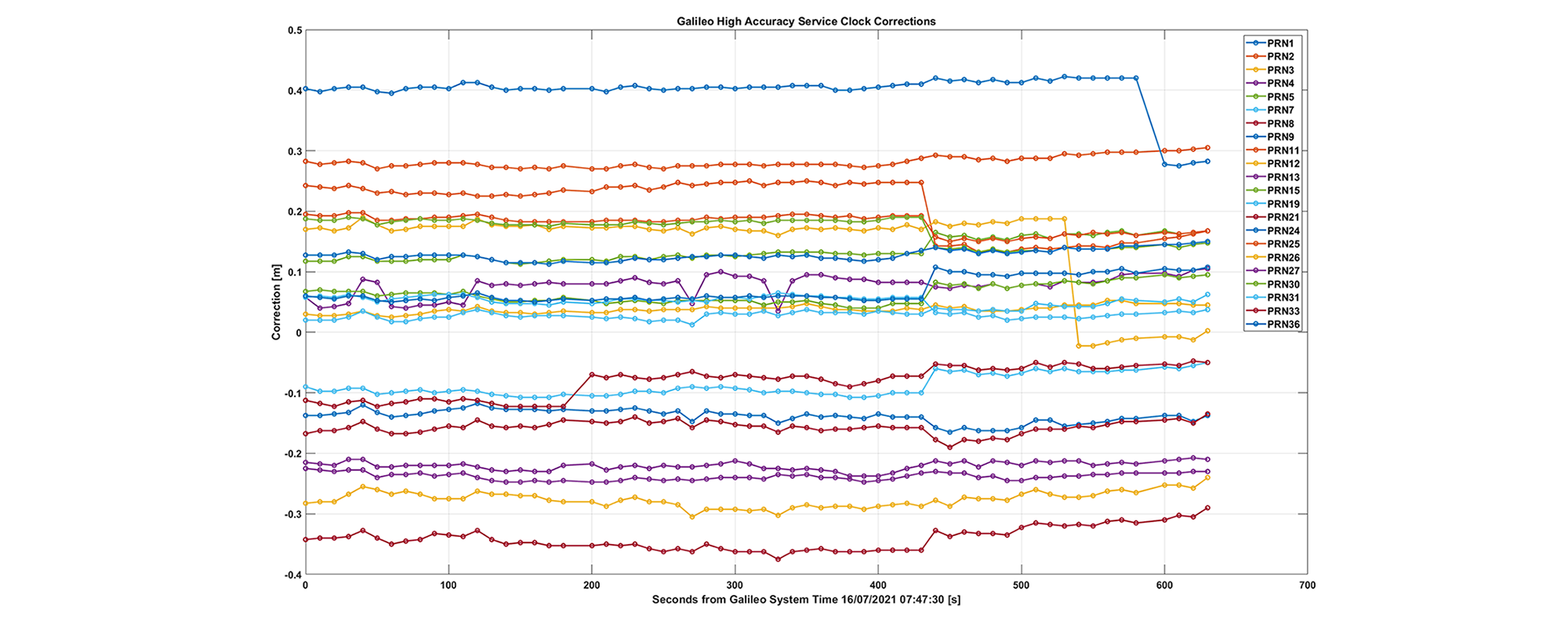
Only the GNSS receivers can determine an absolute position, i.e. a coordinate on a map. High-precision positioning via GNSS is necessary for autonomous driving. It is based on special algorithms (such as Precise Point Positioning) and additional information on the quality of and external influences on the satellite signal. Future GNSS generations, particularly Galileo, will be able to send correction data together with the actual navigation signal. The data can be decoded at the receiver and included in the calculation.