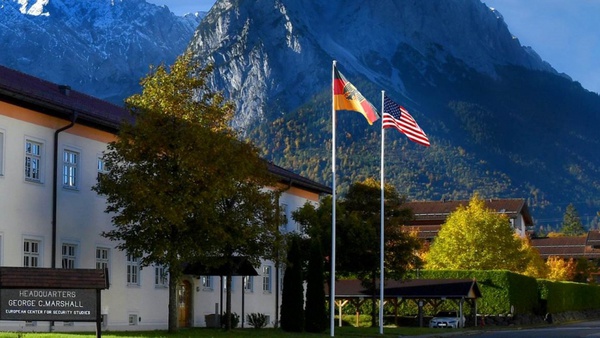
Managing Sufi Lodges and Shrines: An Exploratory Approach Towards a Contribution to Religion and the Economy
This interdisciplinary workshop explores the management of Sufi lodges and shrines as examples of religious buildings. The discussions will focus on architecture, legal and economic aspects, and cultural heritage protection. The goal is to develop new theoretical approaches for managing these significant religious sites. A key aspect of the workshop is the collaborative group work. Following an introductory keynote and the presentation of selected case studies, which provide practical examples, participants will work in small groups on specific aspects – Agents, Funding, Places, Contexts, or Symbolism – engaging in in-depth discussions to create innovative theoretical models and frameworks. For further information and to register for on-site participation, please contact Dr. Evelyn Reuter (evelyn.reuter@unibw.de